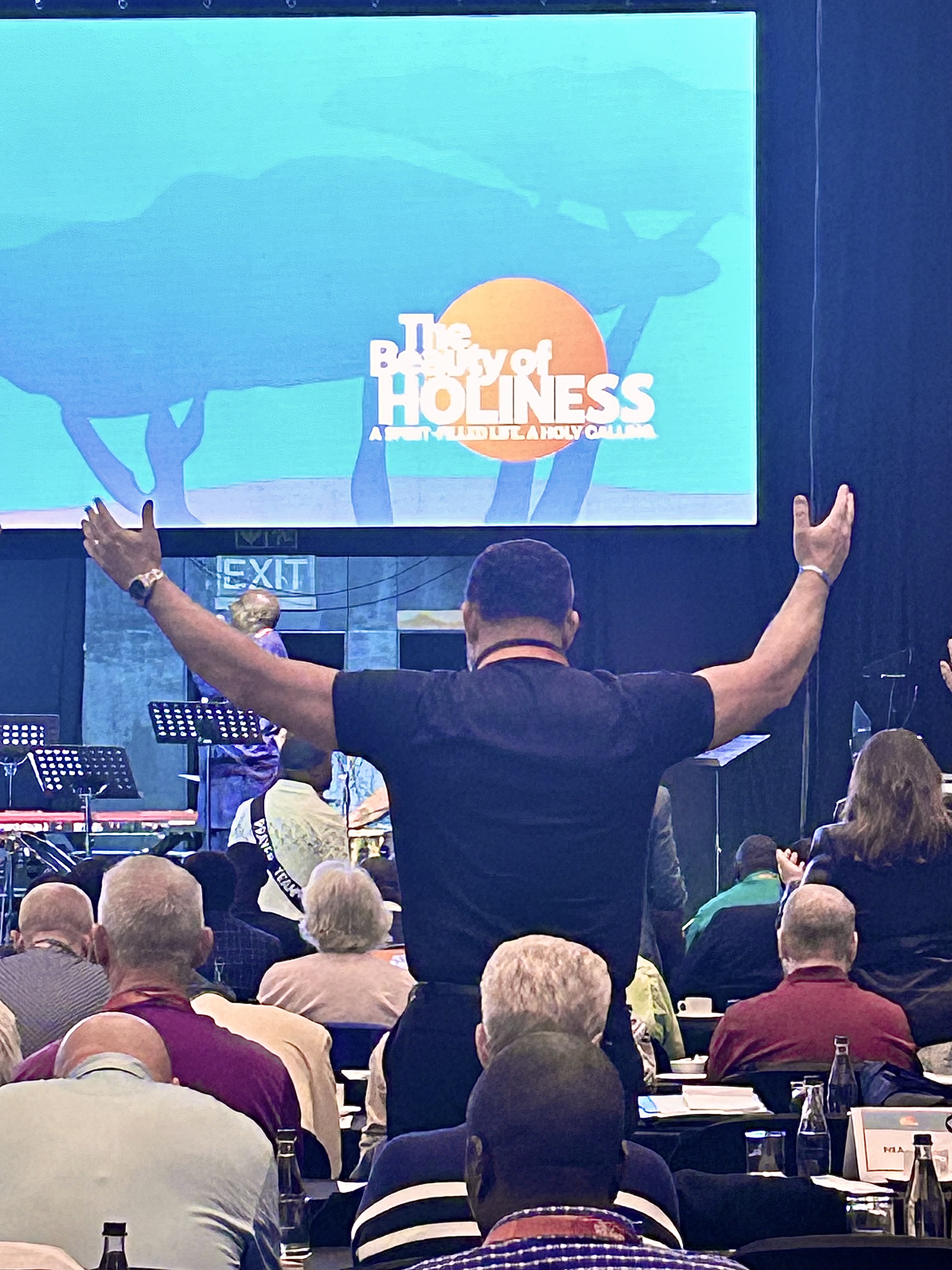
Heartland at General Conference: One Church, Many Nations

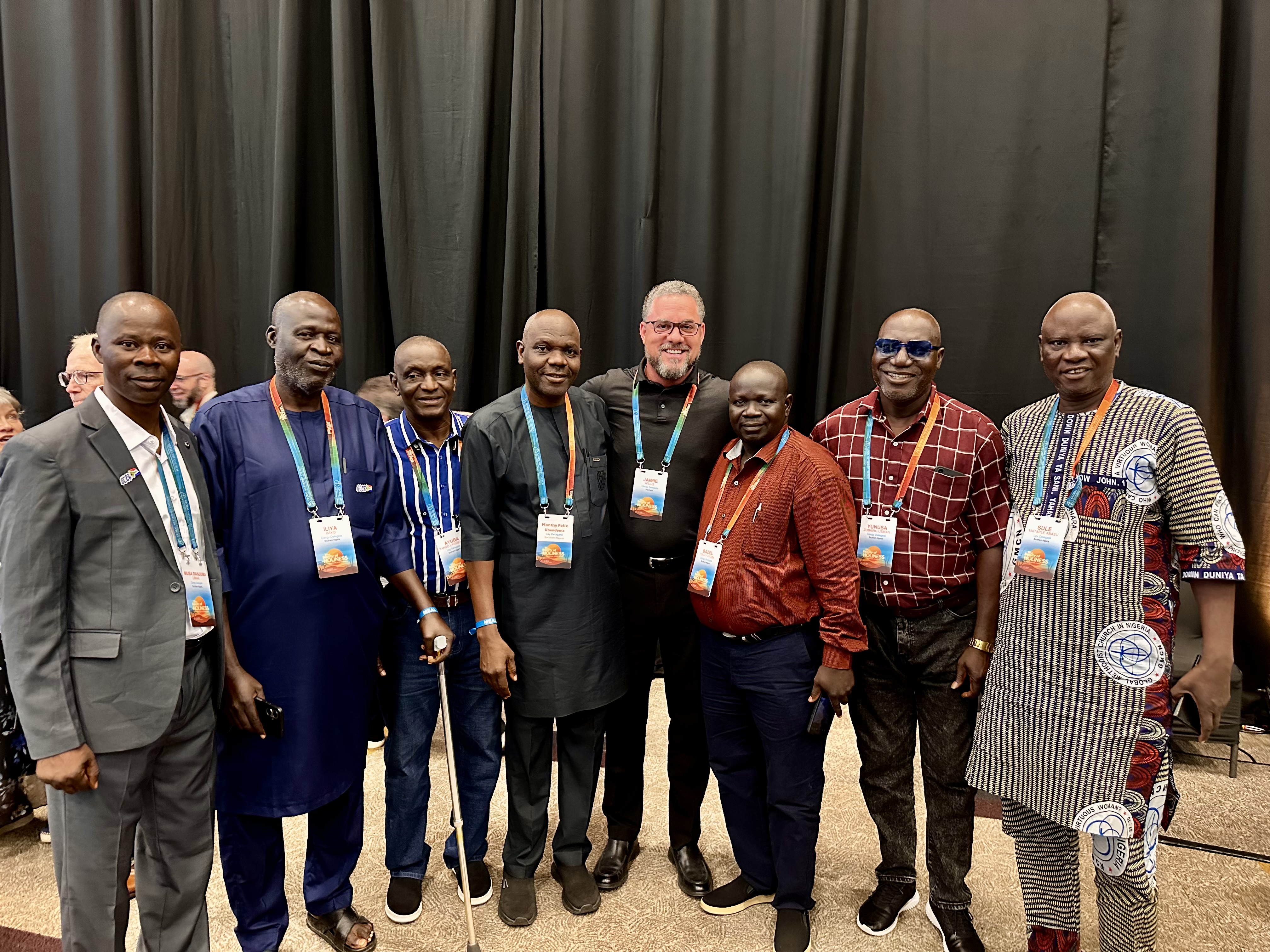
When delegates from across the Global Methodist Church gathered in Johannesburg, South Africa, for the 2026 General Conference, they came from different countries, cultures, languages, churches, and experiences. Yet for Heartland delegates, one of the clearest messages they brought home was just how much they shared.
Again and again, Heartland delegates described an experience of unity—worshiping together, praying together, doing the sometimes difficult work of the Church together, and seeing firsthand what it means to be part of a truly global denomination.
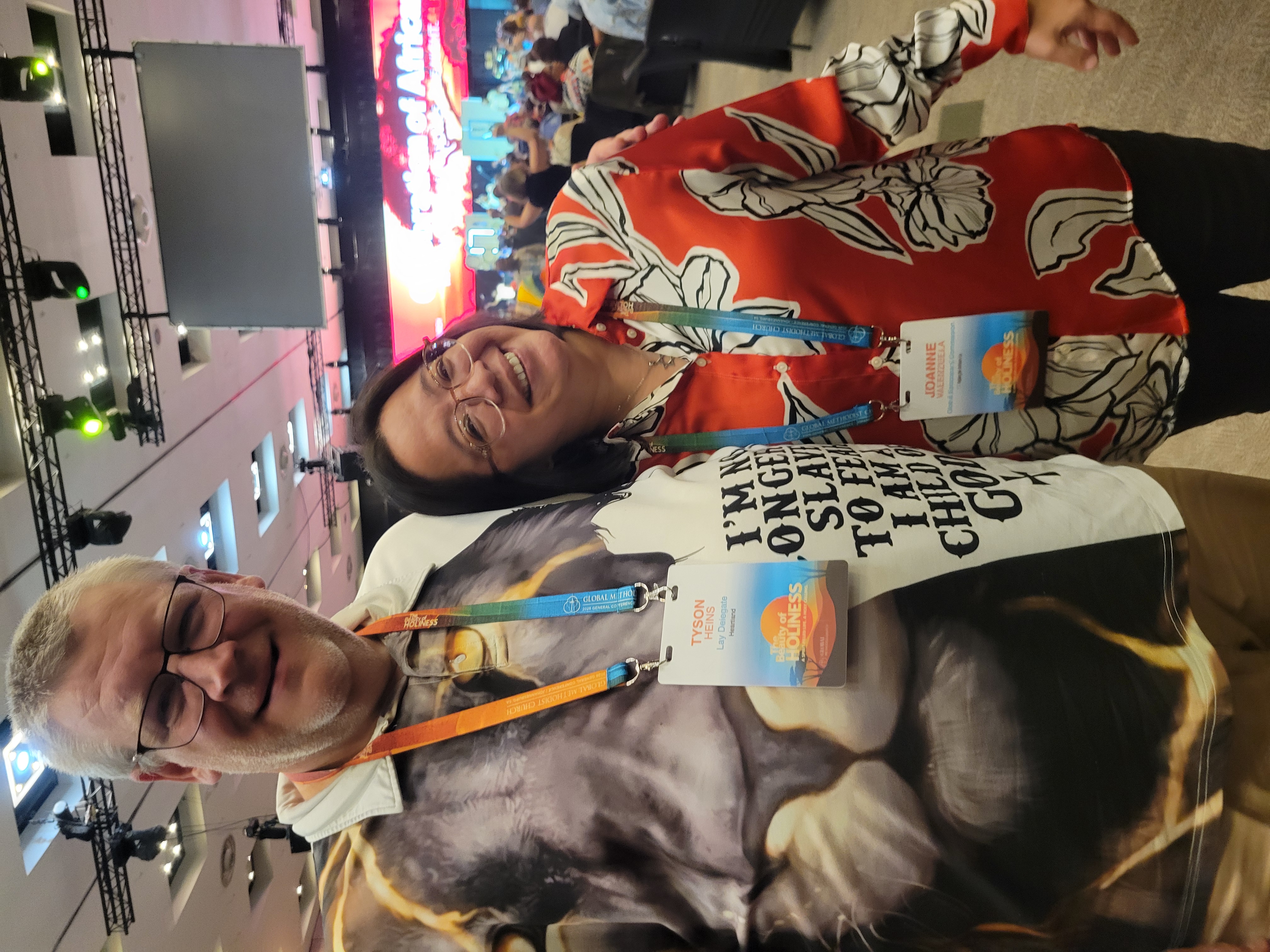
For Holly Joy of First Methodist Ardmore, one of the most meaningful experiences was finally meeting people she had previously known only through a computer screen.
“The most meaningful experience was getting to see so many of the people from all over the world that I have only met in Zoom rooms,” she shared, “and worshipping with the entire body of the GMC.”
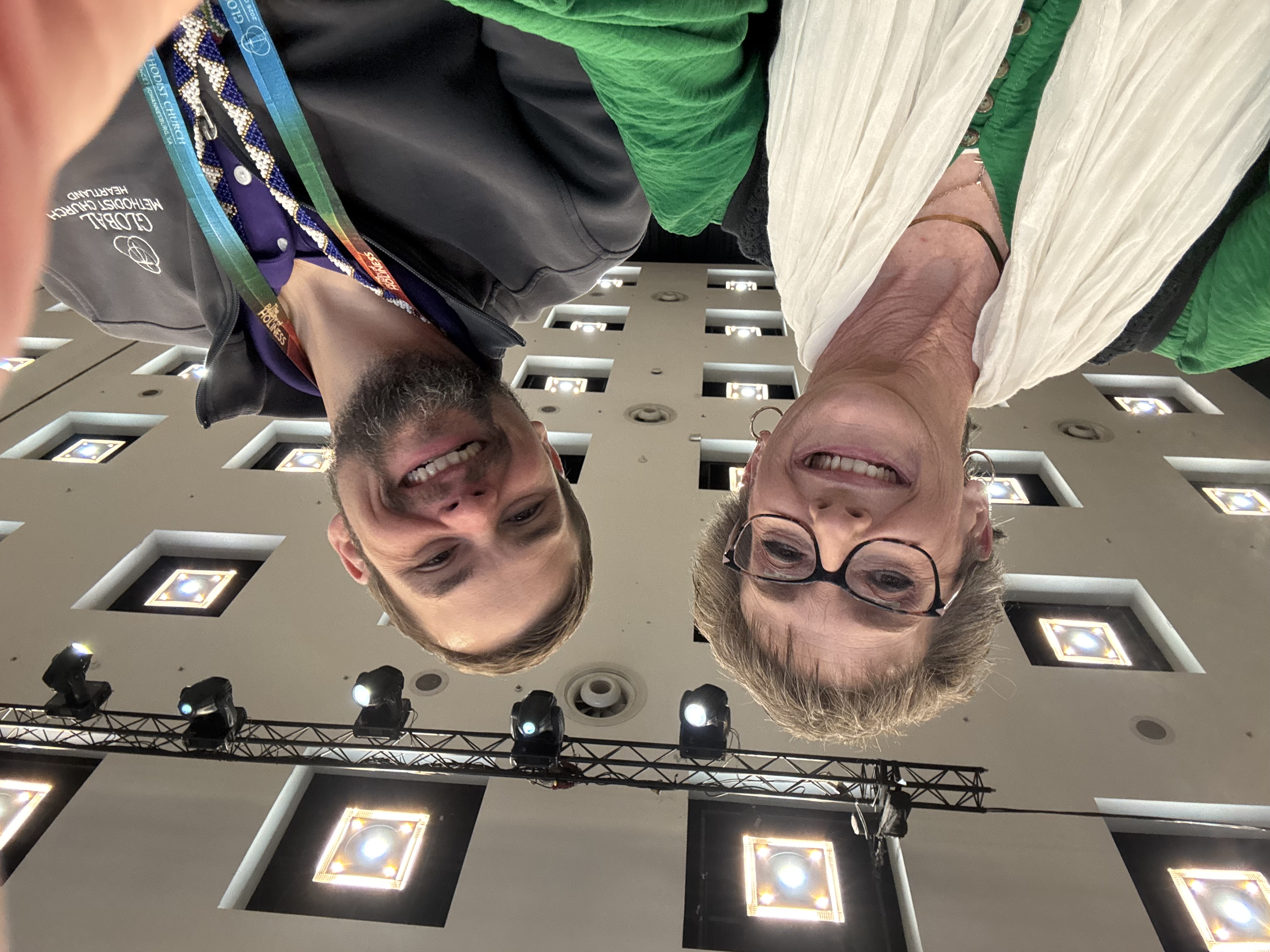
Susan Innes of Asbury Wichita had a similar experience, greeting and hugging people she had previously known only from a screen and making new friends from around the world.
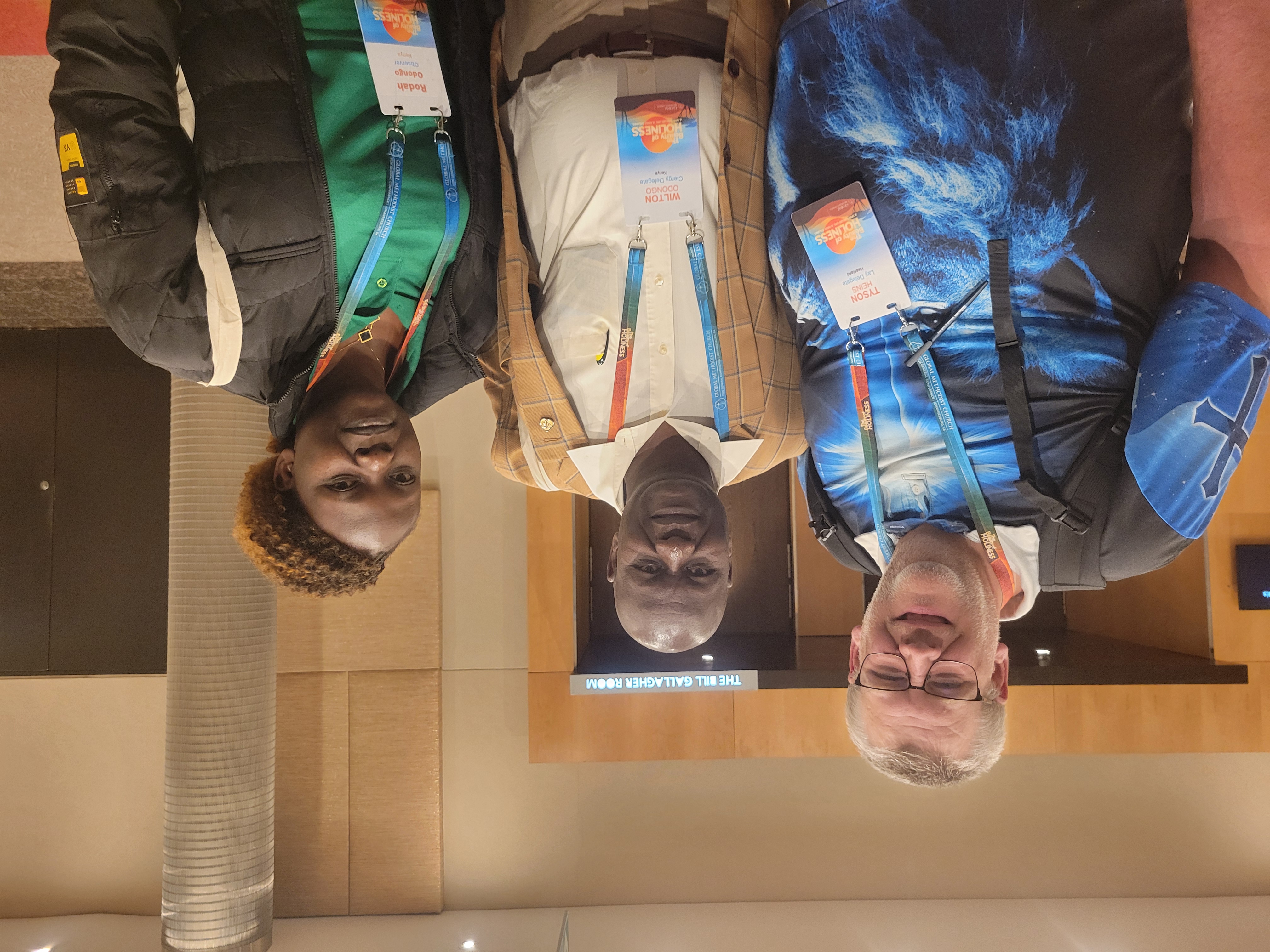
Tyson Heins of Ebenezer Global Methodist Church in Olpe also treasured the opportunity to turn digital relationships into face-to-face friendships. Through his service on the Global Episcopacy Committee, Tyson had spent the previous two years interacting with people through email, WhatsApp, and Zoom. In Johannesburg, many of those familiar faces on a screen became people he could finally meet, visit with, and embrace.
Those encounters left Holly with a simple but powerful realization: “The world is not nearly as big as it seems.”
A Church Learning to Be Global
Being together also brought into focus what it means for the Global Methodist Church to truly be global.
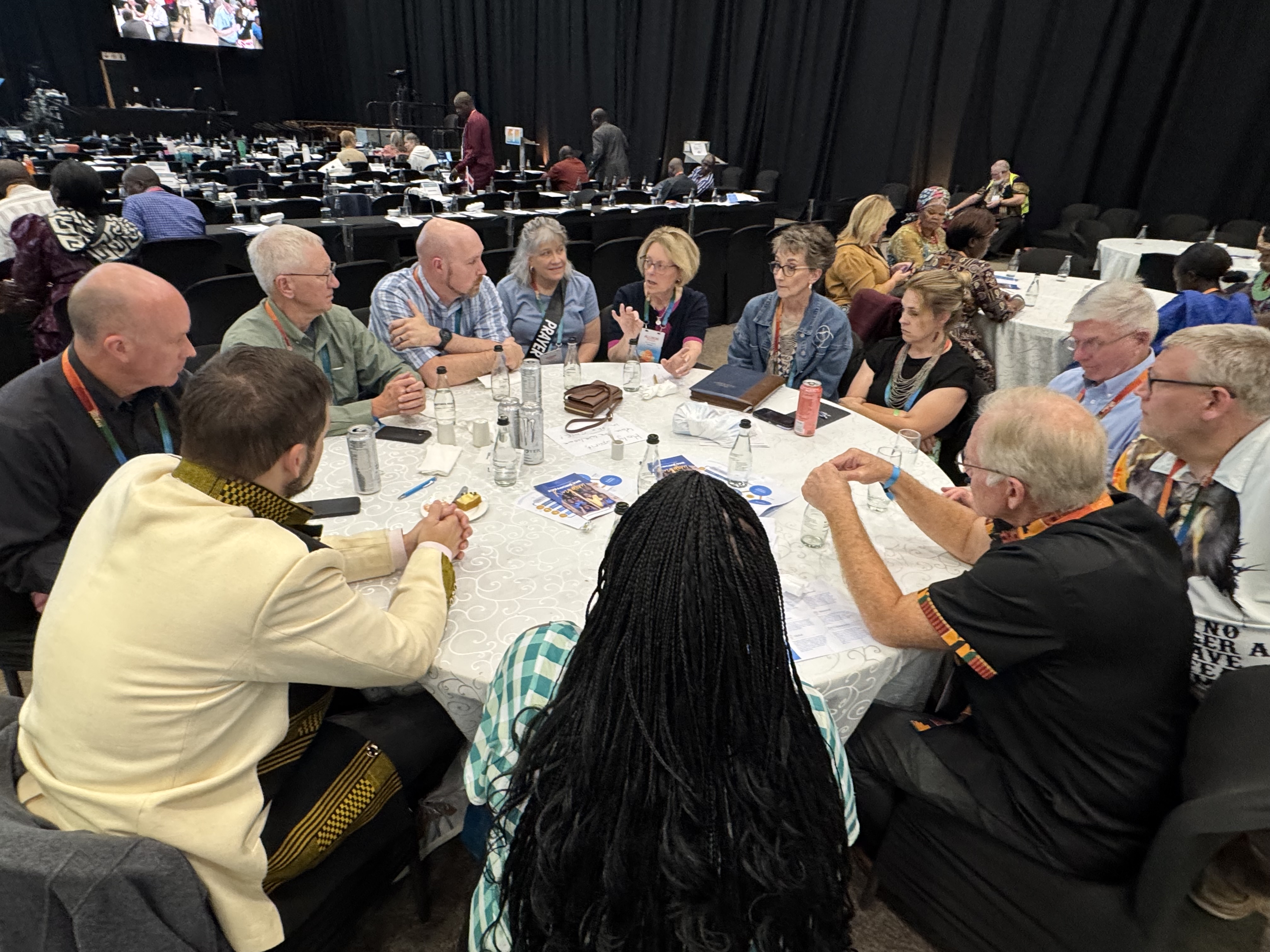
Delegates weren’t simply gathered from different parts of the world; they had to listen to one another and make decisions that could serve churches ministering in vastly different cultures and circumstances.
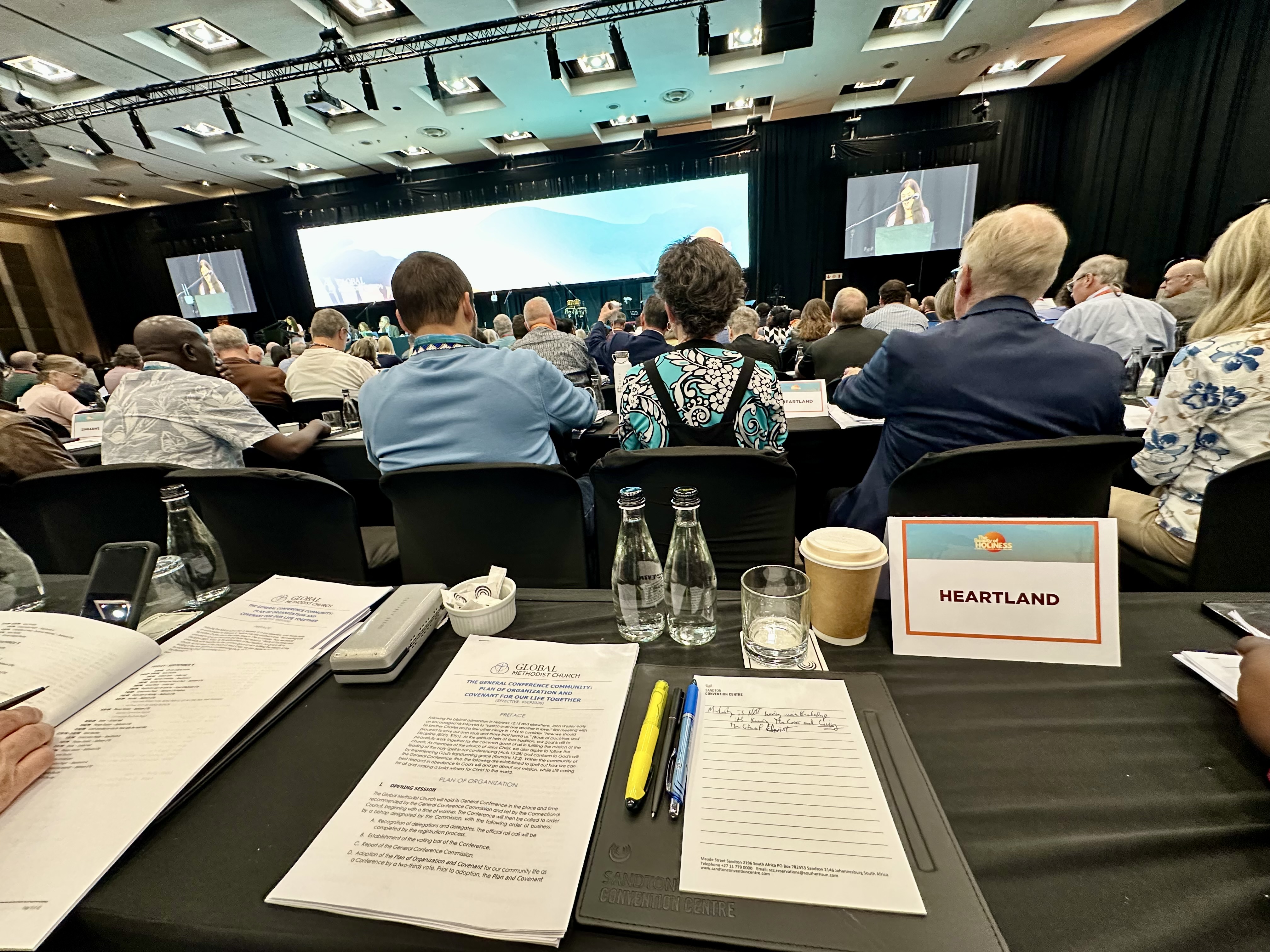
Susan was struck by the work required to make that possible. Legislation was translated into at least seven languages each day so delegates could follow proceedings and amendments. Behind the scenes and on the floor, people worked intentionally to ensure the whole Church could participate.
D.A. Bennett of St. Andrew’s Community Church in Oklahoma City summarized one of his biggest takeaways simply: “We are intentionally global!”
That global perspective also changed the way delegates thought about decision-making.
Holly reflected that decisions made at General Conference cannot focus on the needs of one annual conference, district, or local church. Instead, leaders must consider “the entire body and all the cultures, governments, and communities within the General Conference body.”
Tyson saw those differences bridged in real time—in legislative committees, over lunch, during worship and teaching, and in plenary sessions. Men and women from around the world came together not simply to seek their own way, he observed, but to seek God’s will.
For Rev. Jaimie Willis of Claremore First Methodist, seeing that perspective at work was powerful.
“I saw God at work in the people called Methodists on a global scale,” he said. “I saw people creating new relationships and I saw gifts being exchanged between people of different cultures.”
Unity in the Midst of Disagreement
Perhaps even more striking than the diversity in the room was the spirit in which delegates worked together.
General Conference included hundreds of pieces of legislation, committee meetings, amendments, debate, and votes. Delegates did not agree about everything. But Heartland representatives repeatedly noticed something important about how those disagreements were handled.
Tyson described it with one word: “Oneness.”
“We didn’t agree on everything,” he reflected. “In fact, in some cases we disagreed.” Yet those disagreements were handled respectfully, civilly, and with a love for one another that he believed could only have come from the Holy Spirit.
Holly similarly described the unity and peace among the body as “tangible,” even when differences were evident.
Rev. Richard Croll of Burlington Methodist Church saw the same thing during legislative committee sessions.
“There was work being done without the animosity that can accompany differing opinions,” he reflected. “The love and respect shown by and for all was astounding.”
For Jaimie, it was a picture of what holy conferencing could be.
“There was a wonderful spirit of unity within the conference itself,” he said. “The General Conference in Johannesburg was everything I expected holy conferencing to be and more.”
D.A. brought home a similar lesson: “We can disagree without being contentious.”
The delegates’ reflections point to something deeper than parliamentary procedure. They saw a Church learning to trust that the Holy Spirit can work through the whole Body of Christ—even when the people within that Body don’t initially see everything the same way.
A Historic Moment for a New Denomination
One moment stood out in several Heartland delegates’ reflections: the overwhelming adoption of the Articles of Faith.
The Articles of Faith passed by a vote of 370–1, a moment Tyson described as “historic, vitally important, and a holy moment of oneness.”
For him, the vote represented something remarkable: Global Methodists from around the world coming together to define, with extraordinary agreement, what they believe.
Susan described the Articles of Faith as the portion of the Book of Doctrines and Discipline that “unifies us and undergirds” the rest of the denomination’s governing document. She was especially moved by the number of people involved in developing them and the work required to create something that could serve the Church across cultures and languages.
For Jaimie, the vote carried an especially personal significance.
Having been formed, raised, and called into ministry within The United Methodist Church, he described the adoption of the Articles of Faith as a moment when he finally felt able to loosen his grip on the church that had been home for so much of his life.
“That moment felt completely liberating,” he shared, “and gave me a Spirit-filled confidence for the future of the Global Methodist Church.”
It was both a conclusion and a beginning—a moment when the emerging identity of the Global Methodist Church became a little clearer.
Seeing the Holy Spirit in the “Continuous Burn”
God’s presence wasn’t limited to one vote or one moment.
Susan arrived wondering whether she would experience a dramatic outpouring of the Holy Spirit like ones she had previously encountered in Costa Rica and at Asbury University. A conversation with another delegate helped change her perspective.
She was reminded that the book of Acts contains plenty of Spirit-led ministry after Pentecost in Acts 2.
That realization opened her eyes to what she called the “continuous burn” of the Holy Spirit within the legislative and plenary gatherings.
Others saw that same Spirit at work in worship, preaching, prayer, relationships, discernment, and even the difficult business of General Conference.
“Whether it was worship, preaching, discerning, praying, celebrating, eating, dancing…God was at work!” D.A. said.
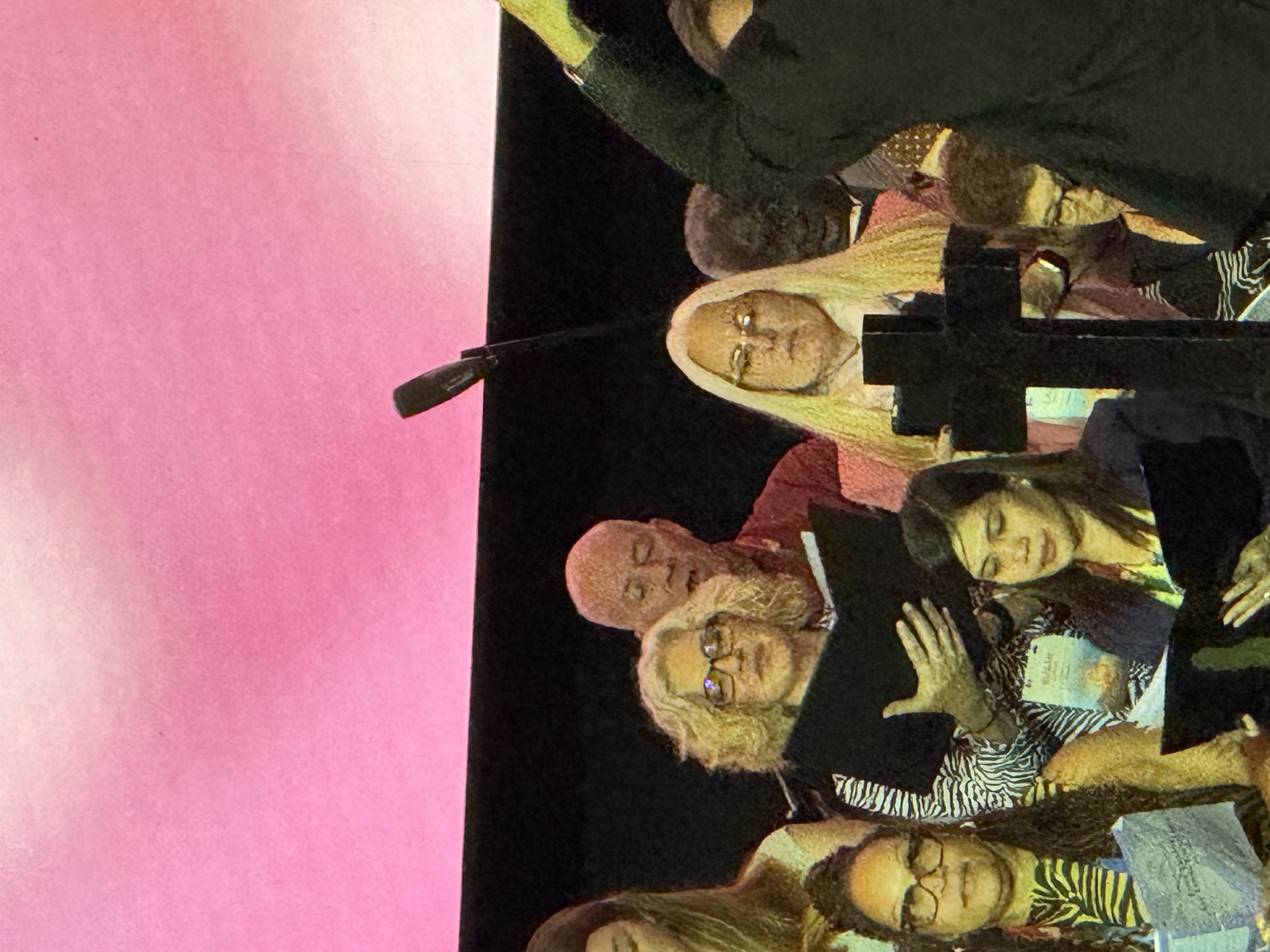
Richard especially remembered sitting in the choir as the current bishops gathered around the incoming bishops to pray for them.
“The love and joyful expressions on their faces as they laid hands on and prayed for each one was a wonderful sight to behold,” he recalled.
Tyson experienced another powerful moment of prayer much closer to home.
While the Heartland delegation was thousands of miles away in Johannesburg, Jordan McFall was facing news of a fire back home and the struggles his family was experiencing while he was approximately 8,000 miles away. The Heartland delegation gathered around him, laid hands on him, and prayed.
For Tyson, the moment embodied the spirit of General Conference and offered a picture of the Church at its best: brothers and sisters in Christ carrying one another’s burdens.
Prayer itself was an important part of the gathering. Susan noted the presence of on-site prayer rooms and prayer teams and the intentional representation of nations and languages within that ministry.
For her, it reinforced something she wants the Heartland to remember: prayer is not peripheral to the work of the Church. It is foundational.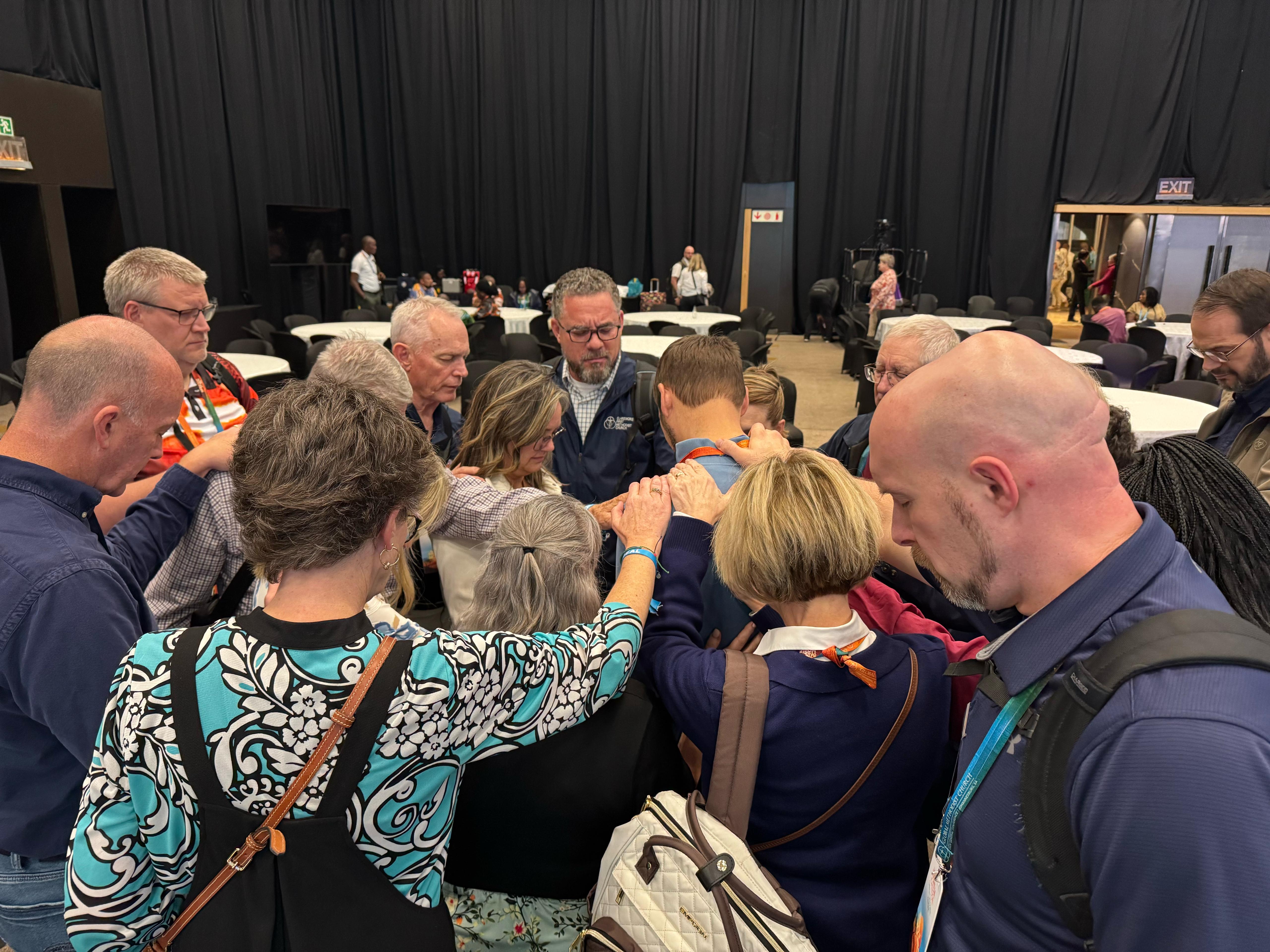
Bringing Johannesburg Home
General Conference may have taken place thousands of miles from the Heartland, but our delegates returned with lessons—and relationships—that belong here, too.
Richard came home thinking about the love he witnessed among Christians from vastly different backgrounds and regions.
“If so many brothers and sisters can come together from so many vastly different backgrounds and regions to still praise and worship the One and share that love with one another,” he asked, “why can’t I bring that same feeling home to bless my brothers and sisters?”
Jaimie returned with “renewed energy and an expanded worldview of God’s holy Church,” particularly after experiencing the vitality of the Church in Africa firsthand.
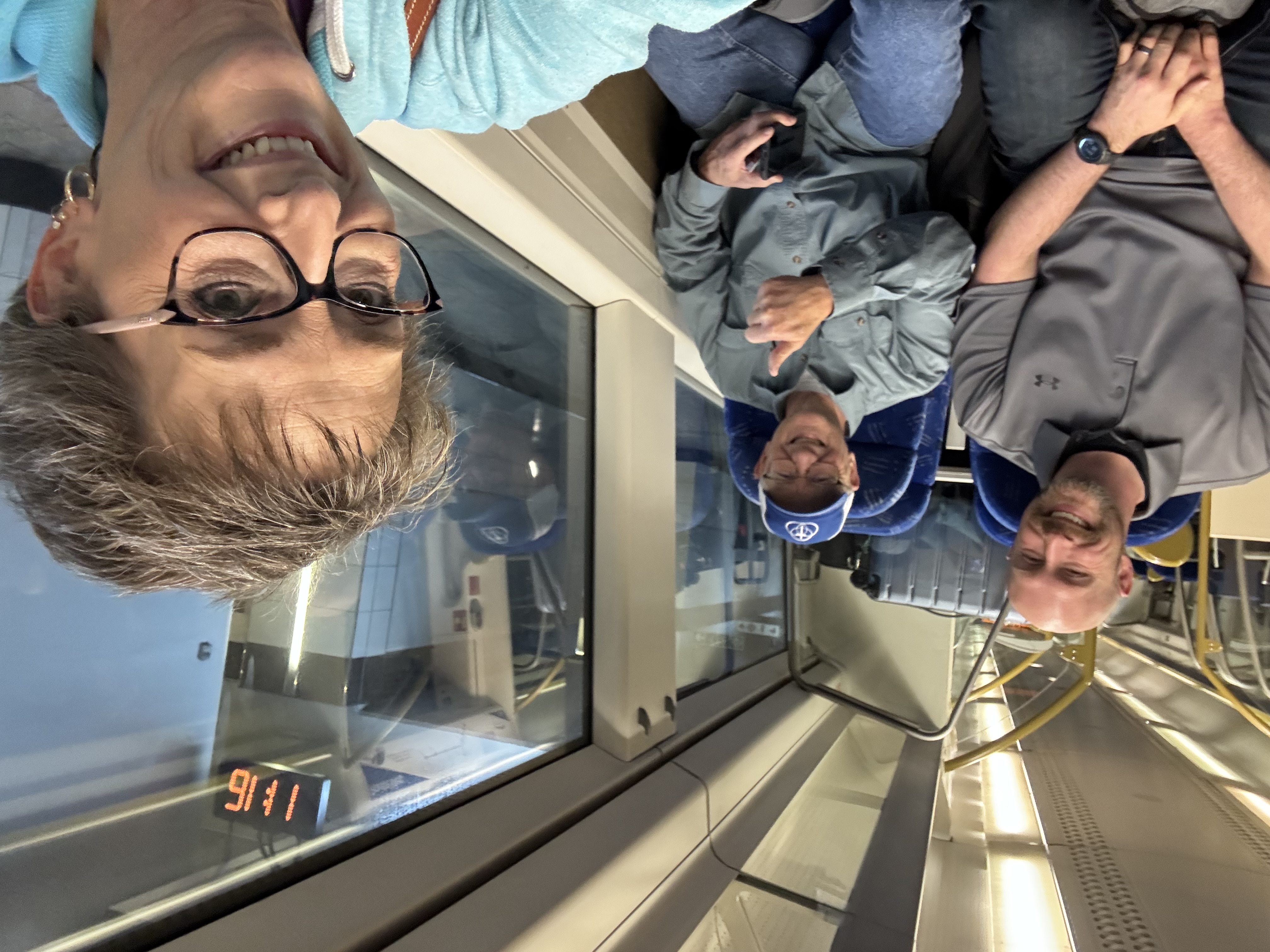
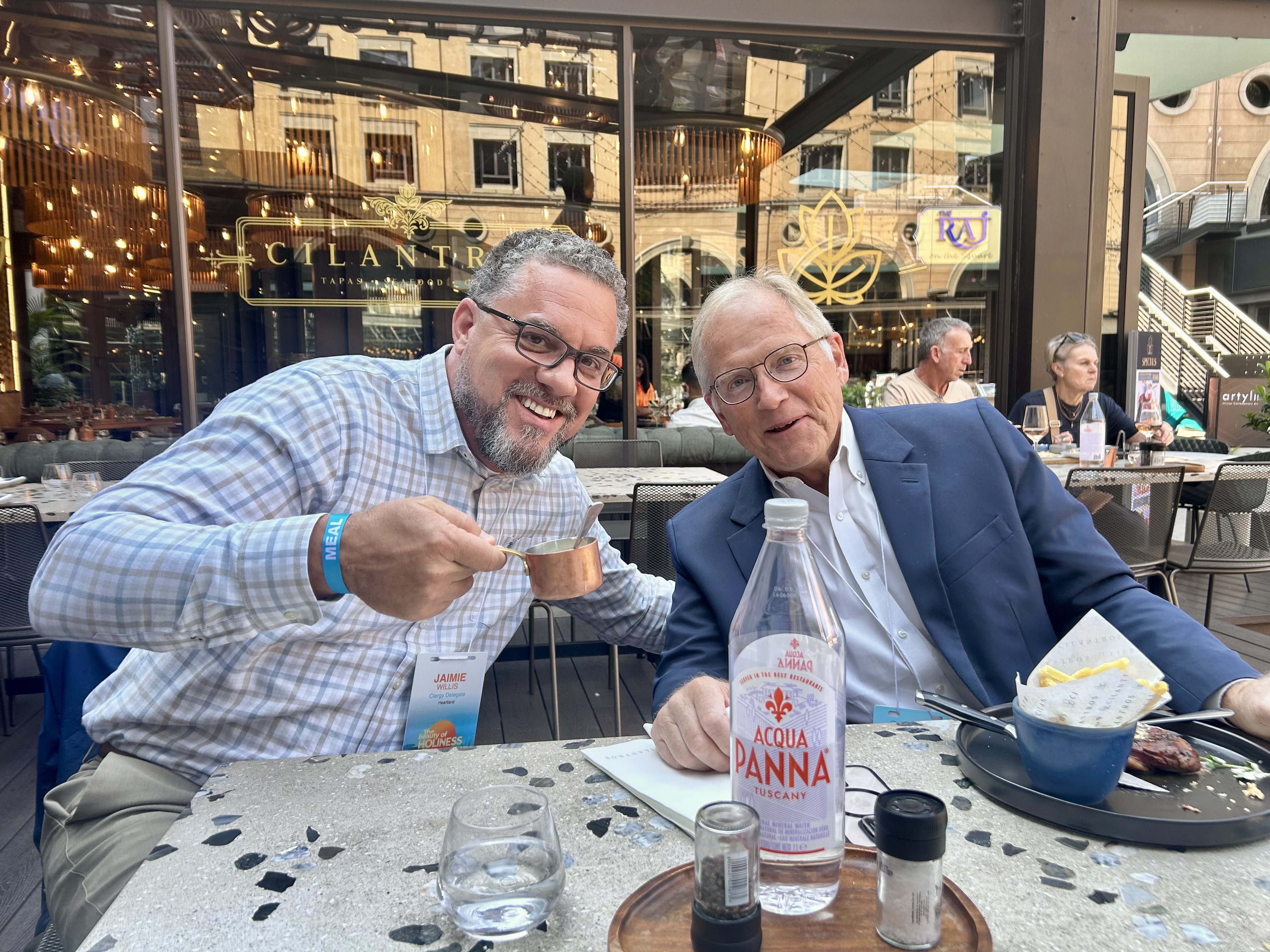
For Tyson, one of the greatest things he brought home was friendship. Walking together, sharing meals, visiting, praying, and working together drew the Heartland delegation closer. He hopes those relationships will ultimately connect not only the delegates, but their congregations and the entire Heartland Conference.
He also formed friendships with people across the United States and around the world through his legislative committee.
His hope is that those relationships remind the Heartland that we are all connected.
“We can work together, embracing our diversity and our commonalities, to do our part in building the Kingdom of God in our local church, in our district, in the Heartland Conference, and throughout the World,” Tyson reflected, “because the World is our Parish!”
D.A. likewise returned celebrating new and strengthened relationships, including a special coffee celebration with the Heartland’s missional partners from Ethiopia. He also came home looking forward to the episcopal leadership of Bishop Carolyn Moore and celebrating the eight bishops elected to serve the Global Methodist Church.
Tyson’s own service will continue beyond Johannesburg as well. After serving on the Global Episcopacy Committee during the denomination’s formative years, he was elected again to serve on the GEC for the 2026–2032 term.
The Joy of Being Together
Amid the legislation, historic decisions, worship, and prayer, there was plenty of joy.
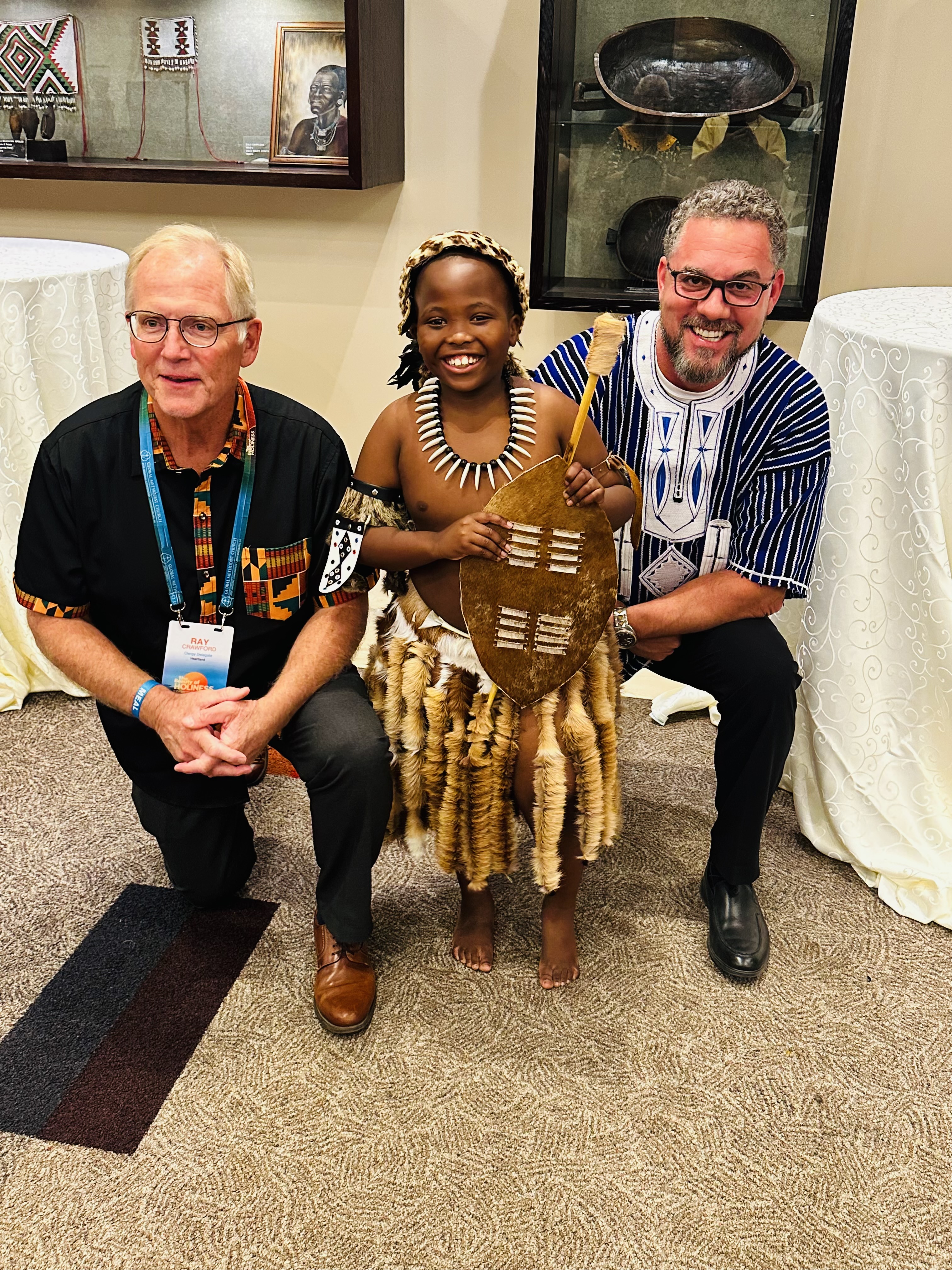
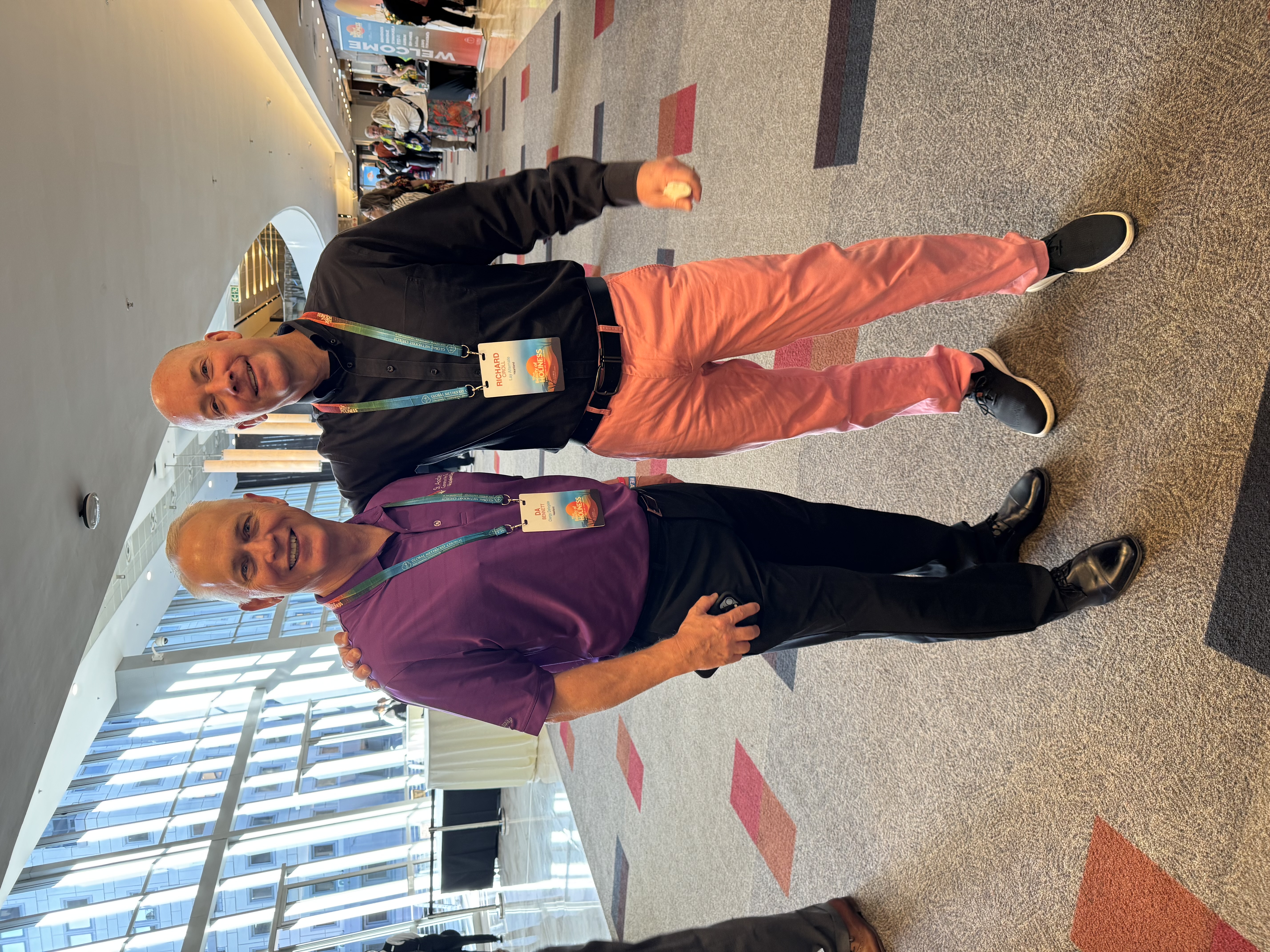
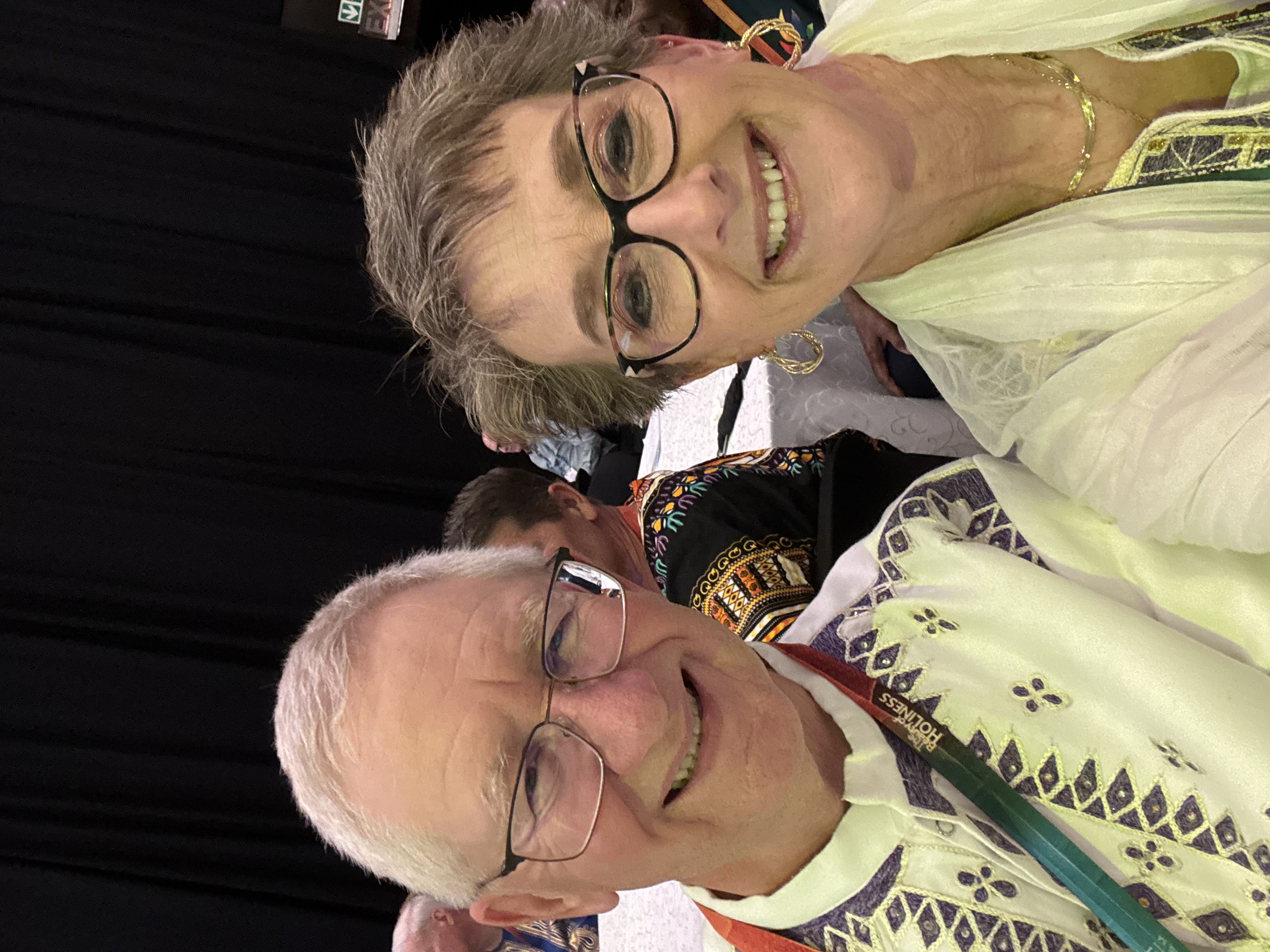
There were cultural dances and native dress during a celebration of Africa. There were new friendships. There was laughter among the Heartland delegation. Richard found himself delivering coffee, sodas, and energy drinks to tired delegates facing hours of voting—a small but memorable example of servant leadership.
D.A. even found himself revisiting a bit of General Conference history after Bishop Jeff Greenway called him out over the famous 2024 Bennett/Faust motion calling for the bishops to dance.
The 2026 version may not have technically qualified as the “liturgical dance” originally requested, D.A. joked, but the bishops’ freestyle dancing in the Spirit more than made up for it.
For Tyson, some of his favorite memories were much simpler: taking pictures with people he had known for years but had never actually met in person. He reconnected with familiar friends and bishops and finally met others face-to-face for the first time.
And then there was something as ordinary as rain.
For Holly, even that became a reminder of the connection between Johannesburg and home.
“What a beautiful example that God is the same in South Africa as He is in the Heartland.”
Perhaps that is one of the simplest ways to describe what our delegates brought home.
The Global Methodist Church stretches across nations, languages, cultures, and continents. Its people worship differently, live in different circumstances, and sometimes see issues from very different perspectives.
But they worship the same God.
For a few extraordinary days in Johannesburg, our Heartland delegates had the opportunity to see that truth lived out in front of them—to worship as one Church, discern as one Church, pray as one Church, celebrate as one Church, and participate in shaping the future of a young denomination.
They came home with new friendships, renewed energy, a deeper understanding of our global connection, and a reminder that the Church is at its best when its people carry one another’s burdens.
Now they bring that experience home to us.
As D.A. recalled the words of John Wesley: “Then give me your hand.”